5 Shocking Reasons Tesla Loyalty Explodes!
Ever wonder why Tesla owners are practically evangelists for their cars?
It’s not just about the electric motor or the flashy screens.
Trust me, as someone who’s seen it firsthand – and maybe even dipped a toe into that fervent pool of ownership – it’s something far deeper, something almost… tribal.
We’re talking about a level of devotion that makes other car brands green with envy.
It’s not just a car; it’s an identity, a statement, and for many, a way of life.
So, buckle up, because we’re about to dive into the fascinating psychology behind why Tesla loyalty runs so incredibly deep.
And let me tell you, it’s probably not what you think.
We’ll uncover the secrets that turn casual buyers into die-hard fans, practically ready to tattoo the Tesla logo on their foreheads (okay, maybe not literally, but you get the idea!).
This isn’t just theory; it’s based on observations, countless conversations, and yes, a bit of personal reflection on what makes people so utterly passionate about a piece of machinery.
It’s a masterclass in brand building, whether you like the company or not.
Table of Contents
- 1. The Allure of the Future: More Than Just a Car, It’s a Spaceship
- 2. The Software Sweet Spot: Your Car Gets Better with Age? Yes, Really!
- 3. The Cult of Community: Belonging to the Electric Elite
- 4. The Green Halo Effect: Driving with a Conscience (and Bragging Rights)
- 5. The Elon Factor: Love Him or Loathe Him, He’s Part of the Package
- Beyond the Buzz: What Does This Mean for You?
1. The Allure of the Future: More Than Just a Car, It’s a Spaceship
Let’s be honest, driving a Tesla often feels less like driving a car and more like piloting a futuristic gadget.
I mean, remember when cars just… drove?
Now, you’ve got giant touchscreens that control everything, minimalist interiors that scream “tomorrow,” and features that seem pulled straight from a sci-fi movie.
This isn’t just about good design; it taps into something fundamental in our psychology: the human desire for progress and innovation.
When you sit in a Tesla, you’re not just buying a mode of transport; you’re buying into a vision of the future.
It’s like being one of the first people to own a smartphone when everyone else was still rocking a flip phone.
That feeling of being ahead of the curve, of participating in something groundbreaking, is incredibly powerful.
Think about it: every software update feels like Christmas morning, bringing new features and capabilities to a car you already own.
Who else does that?
Traditional car manufacturers roll out a new model every few years with minor tweaks.
Tesla is constantly evolving, making your current car feel perpetually new.
This constant stream of innovation creates a sense of excitement and anticipation.
It’s not just the speed or the instant torque; it’s the sense that you’re part of an ongoing experiment, a living, breathing piece of technology.
And let me tell you, that feeling is addictive.
It’s why people defend Tesla so fiercely – they’re defending not just their purchase, but their investment in a forward-thinking ideology.
It makes you feel smart, savvy, and a little bit like a rebel pushing the boundaries.
This isn’t just marketing hype; it’s a genuine psychological pull.
We all want to feel like we’re part of something bigger, something that matters.
And for many, Tesla provides that connection to a sustainable, technologically advanced future.
It’s an almost irrational bond, forged in the fires of innovation and a shared belief in a better tomorrow.
2. The Software Sweet Spot: Your Car Gets Better with Age? Yes, Really!
Okay, let’s get real for a second.
When was the last time you bought a car and thought, “Gee, I can’t wait for it to get *better* over time?”
Never, right?
Traditional cars depreciate the moment you drive them off the lot, and they only get older, not smarter.
This is where Tesla fundamentally flips the script, and it’s a massive psychological win.
Their over-the-air (OTA) software updates are nothing short of revolutionary.
Imagine waking up one morning and your car has new features, improved performance, or even a refreshed user interface, all while sitting in your driveway!
It’s like getting a brand-new gadget without buying a new gadget.
This continuous improvement creates a unique kind of ownership experience.
Instead of the typical decline in value and excitement that comes with aging vehicles, Tesla owners experience a sort of perpetual renewal.
It keeps the initial thrill alive, long after the “new car smell” has faded.
For example, remember when they added “Dog Mode” or “Sentry Mode” via an update?
These aren’t just minor bug fixes; they’re significant enhancements that add real value and convenience.
It fosters a feeling that your car is a living, evolving entity, constantly adapting and improving.
This isn’t just about convenience; it’s about perceived value.
You feel like you’re getting more for your money over time, rather than less.
It creates a sense of ongoing engagement with the brand, where owners actively look forward to updates, discuss them online, and feel a part of the development process.
It’s brilliant, really, from a psychological perspective.
It turns a depreciating asset into something that feels like a subscription service that keeps delivering new content.
This constant stream of innovation reinforces the idea that Tesla is not just selling cars, but a dynamic, ever-improving piece of technology.
And that, my friends, is a powerful driver of brand loyalty.
3. The Cult of Community: Belonging to the Electric Elite
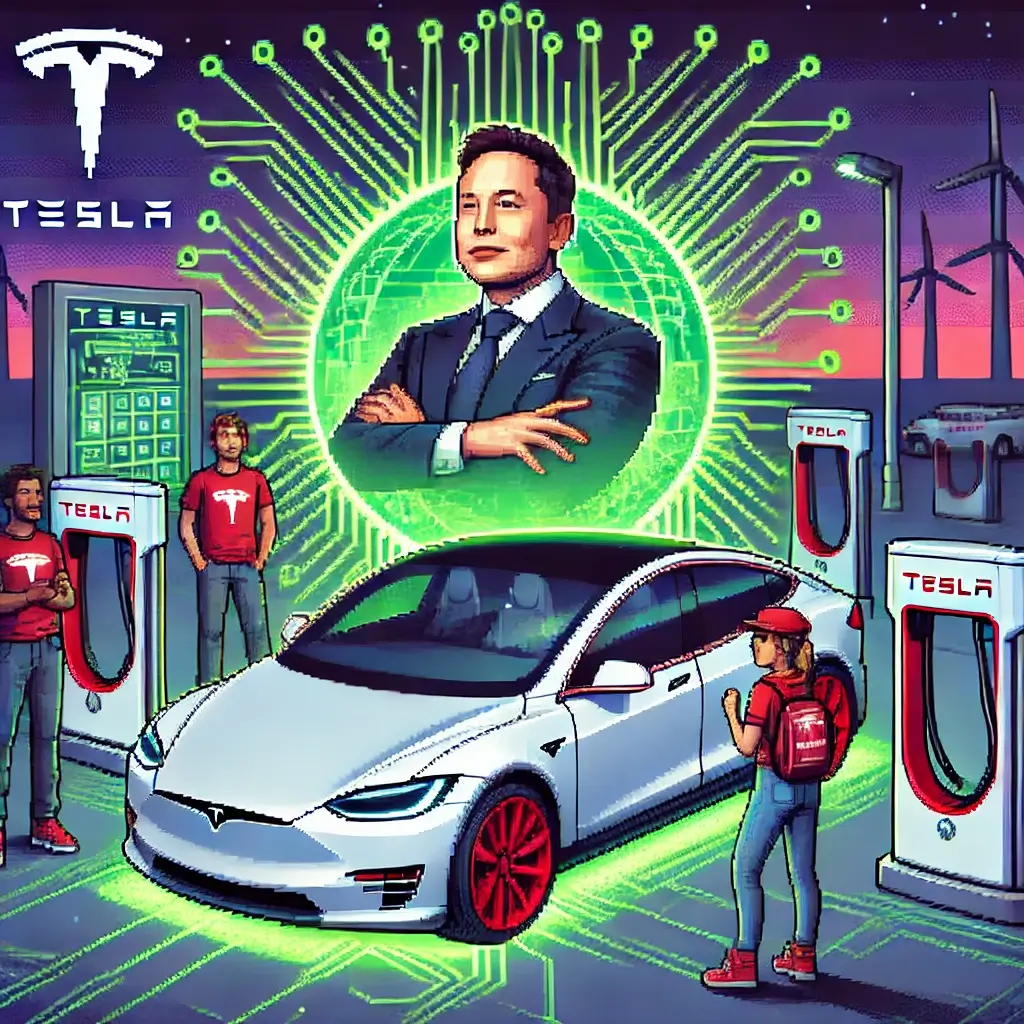
Walk into any Tesla Supercharger station, and you’ll notice something different.
People aren’t just silently charging their cars; they’re chatting, sharing tips, and even showing off their latest accessories.
It’s less of a gas station stop and more of a mini-social gathering.
This isn’t accidental; Tesla has, intentionally or not, fostered an incredibly strong sense of community among its owners.
Think about it: buying a Tesla often means you’re an early adopter, someone who embraces new technology and is willing to step outside the norm.
This shared characteristic creates an instant bond.
It’s like joining an exclusive club where the membership fee is a fancy electric car.
Online forums, Facebook groups, and even local meetups are bustling with activity.
Owners swap stories about road trips, troubleshoot minor issues, and fiercely defend the brand against any perceived slight.
This collective identity provides a sense of belonging, a fundamental human need.
When you’re part of the “Tesla family,” you’re not just an individual consumer; you’re a member of a pioneering movement.
This strong community aspect acts as a powerful reinforcing mechanism for brand loyalty.
When your friends, online acquaintances, and even strangers you meet are all raving about the same product, it validates your own purchase and strengthens your positive feelings towards it.
It creates an echo chamber of positive reinforcement, making it harder to even consider switching to another brand.
Plus, let’s be real, there’s a certain cachet that comes with owning a Tesla.
It’s a conversation starter, a subtle nod to your status as someone who’s forward-thinking and environmentally conscious.
And when that status is affirmed by a vibrant, supportive community, well, that’s just icing on the electric cake.
4. The Green Halo Effect: Driving with a Conscience (and Bragging Rights)
In an age where environmental consciousness is no longer a niche concern but a mainstream imperative, owning a Tesla offers a powerful psychological benefit: the “green halo” effect.
It’s not just about reducing your carbon footprint; it’s about *feeling* like you’re making a difference, and being seen as someone who cares about the planet.
Let’s be honest, there’s a certain satisfaction in silently gliding past a gas station, knowing you’re not contributing to the fumes or the fluctuating pump prices.
This aligns with a growing desire among consumers to make ethical and sustainable choices.
For many Tesla owners, the car becomes an extension of their personal values.
It’s a tangible symbol of their commitment to environmentalism, even if other aspects of their life might not be perfectly “green.”
It provides a sense of moral superiority, a warm fuzzy feeling that you’re doing your part for the planet.
And yes, it definitely comes with bragging rights.
Conversations often start with, “Oh, you have a Tesla? That’s great for the environment!”
This external validation further reinforces the positive association with the brand.
It’s a form of social currency, demonstrating not just financial capability, but also a certain level of foresight and responsibility.
Moreover, Tesla‘s entire brand narrative is built around accelerating the world’s transition to sustainable energy.
By purchasing a Tesla, you’re not just buying a car; you’re becoming a participant in a grander mission.
This sense of purpose, of being part of something larger than yourself, is a powerful psychological motivator.
It makes ownership feel less like a transaction and more like an investment in a better future.
And when you feel that your purchase aligns so deeply with your core values, switching to another brand feels like a betrayal, not just of a company, but of your own principles.
5. The Elon Factor: Love Him or Loathe Him, He’s Part of the Package
Alright, let’s address the elephant in the room, or rather, the eccentric visionary in the boardroom: Elon Musk.
You simply cannot talk about Tesla loyalty without talking about him.
He’s a polarizing figure, to say the least, but for many Tesla owners, he’s not just a CEO; he’s a modern-day icon, a real-life Tony Stark.
His larger-than-life persona, his audacious goals (Mars! Brain chips! Tunnels under cities!), and his unfiltered presence on social media create a unique bond with his followers, including Tesla owners.
For fans, buying a Tesla is not just buying a car; it’s buying into Elon’s vision.
They see him as a disruptor, someone who challenges the status quo and pushes humanity forward.
This hero worship, for lack of a better term, translates directly into brand loyalty.
Even when he says something controversial or the company faces production challenges, many owners are remarkably forgiving because they believe in his ultimate mission and his ability to deliver.
It’s almost like supporting a favorite sports team – you stick with them through thick and thin because you believe in the coach and the overall strategy.
He provides a narrative, a grand story that people can feel a part of.
In a world of bland corporate executives, Musk stands out, offering a direct, often chaotic, but always interesting connection to the brand.
He embodies the daring, innovative, and sometimes controversial spirit of Tesla itself.
And for those who resonate with that spirit, their loyalty to the brand becomes inextricably linked to their admiration for him.
It’s a classic case of charismatic leadership driving consumer behavior to an almost unprecedented degree.
Whether you’re a fan or a critic, you can’t deny his impact on cultivating this fierce, almost unshakeable Tesla loyalty.
Beyond the Buzz: What Does This Mean for You?
So, we’ve peeled back the layers of Tesla loyalty, and it’s clear it’s much more than just horsepower or battery range.
It’s a potent cocktail of futuristic appeal, continuous improvement, strong community ties, ethical consumerism, and the undeniable influence of a visionary (and sometimes polarizing) leader.
This isn’t just a phenomenon for car enthusiasts; it’s a fascinating case study in modern brand building and consumer psychology.
For other companies, there are huge lessons to be learned here about engaging customers on an emotional and ideological level, not just a transactional one.
For consumers, understanding these psychological drivers helps us make more informed decisions, realizing that sometimes our loyalty goes beyond the product itself.
Whether you’re considering a Tesla, or just trying to understand why your neighbor won’t stop talking about theirs, hopefully, this deep dive has shed some light on the unparalleled devotion this brand commands.
It’s truly a testament to how a product can transcend its utilitarian purpose and become a central part of someone’s identity.
It’s a brave new world, and Tesla is certainly driving us through it, one fiercely loyal owner at a time.
And honestly, who can blame them?
Keywords: Tesla, Loyalty, Electric Vehicles, Innovation, Community